
Course Outline
Course Outline is divided into four Models.
Model-I
- Solids Without Considering Microscopic Structure
- The Early Days of Solid State Specific Heat of Solids
- Einsteins Calculation-Debyes Calculation
- Periodic (Born-von Karman) Boundary Conditions
- Debyes Calculation Following Planck
- Debyes ”Interpolation”
- Shortcomings of the Debye Theory
- Electrons in Metals: Drude Theory
- Electrons in Electric and Magnetic Fields
- Thermal Transport - Sommerfeld (Free Electron) Theory Basic Fermi-Dirac Statistics
- Electronic Heat Capacity Magnetic Spin Susceptibility (Pauli Paramagnetism)
- Shortcomings of the Free Electron Model

Model-II
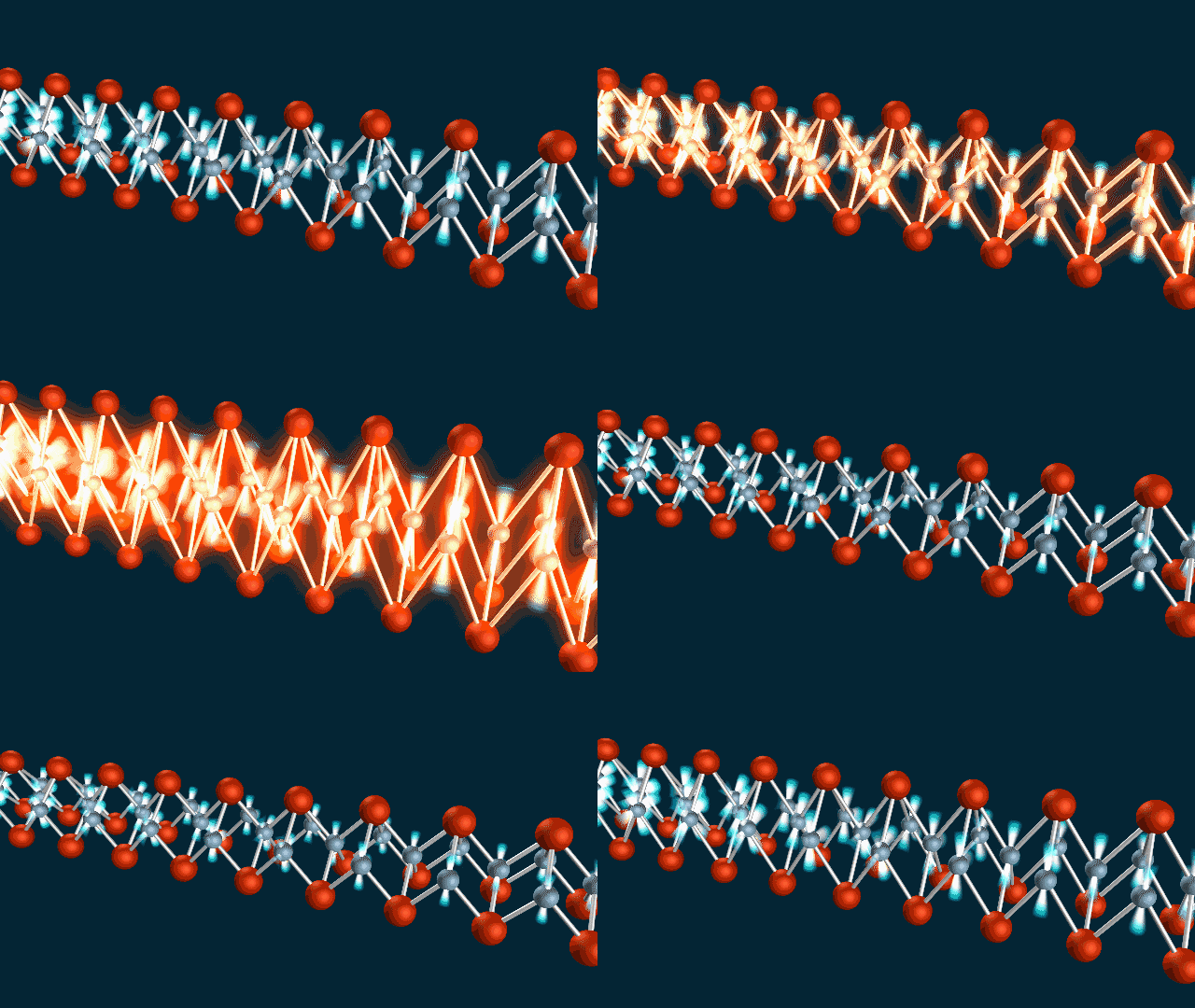
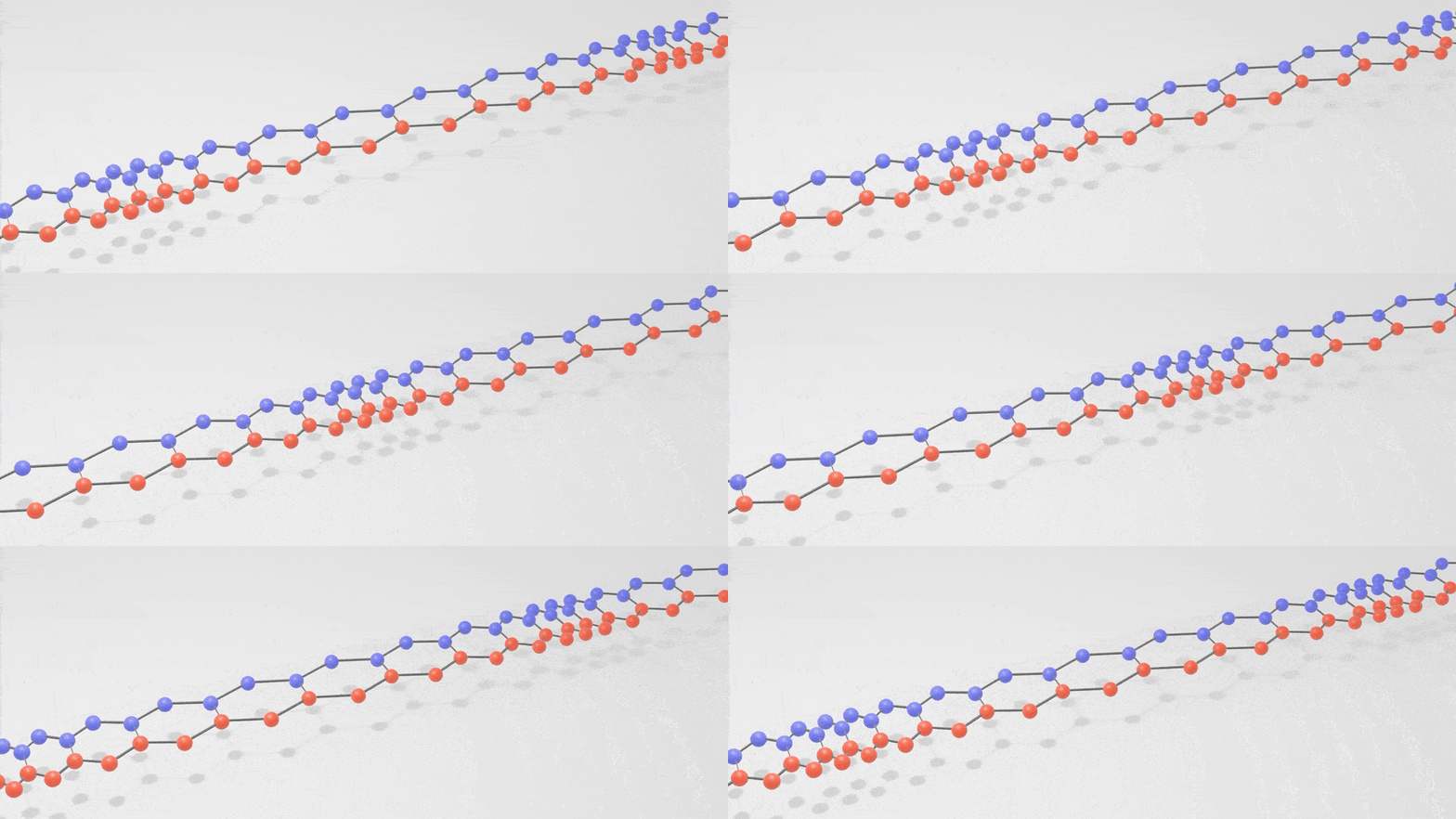
- Vibrations of a One-Dimensional Monatomic Chain
- Phonons-Crystal Momentum Vibrations of a One-Dimensional Diatomic Chain
- The Reciprocal Lattice in Three Dimensions
- General Brillouin Zone Construction
- Methods of Scattering Experiments
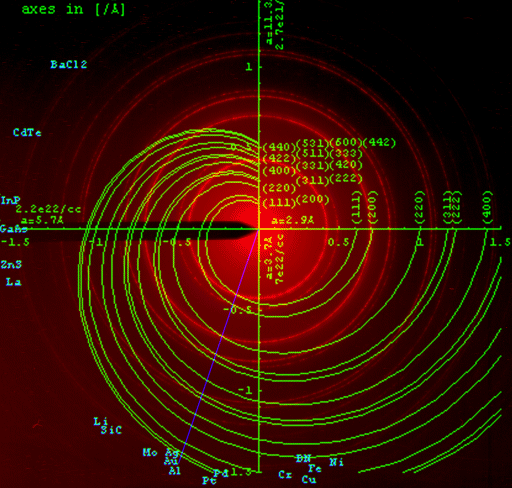
- Powder Diffraction Scattering in Liquids and Amorphous Solids
- Equivalence of Laue and Bragg conditions
- Scattering Amplitudes
- Systematic Absences
- Geometric Interpretation of Selection Rules
- Methods of Scattering Experiments
- Powder Diffraction Scattering in Liquids and Amorphous Solids
Model-III
- Electrons in Solids - Electrons in a Periodic Potential KronigPenny Model
- Bloch’s Theorem- Nearly Free Electron Model - Tight Binding Model
- Energy Bands in One Dimension - Energy Bands in Two and Three Dimensions
- Introduction to Electrons Filling Bands - Multiple Bands - Band-Structure Picture of Metals and Insulators
- Optical Properties of Insulators and Semiconductors
- Direct and Indirect Transitions
- Optical Properties of Metals
- Optical Effects of Impurities Electrons and Holes - Doping - Impurity States
- Statistical Mechanics of Semiconductors
- Band Structure Engineering - Designing Band Gaps - Non-Homogeneous Band Gaps
Model-IV
- Magnetism and Mean Field Theories
- Hunds Rules
- Coupling of Electrons in Atoms to an External Field
- Free Spin (Curie or Langevin) Paramagnetism
- Larmor Diamagnetism
- (Spontaneous) Magnetic Order - Ferromagnets - Antiferromagnets - Ferrimagnets
- Macroscopic Effects in Ferromagnets: Domains - Domain Wall Structure and the Bloch/ Nel Wall
- Type-I and Type-II superconductors - Meissner effect
- BCS theory (qualitative) - High temperature superconductors - applications - Josephson effect
Course Learning Outcomes
The course aims to understand the physics of solids, which form the basic foundation for the study of other fields inside and outside the condensed matter physics. The course provides a clear picture about the development of the subject and how the knowledge about the solids and their properties used to change our society.
by Dr. Muhammad Hasnain Jameel